Delicious and Diabetes-Friendly: Yummy Chocolate Recipes for Children with Type 1 Diabetes
Meta Description
Let’s dive into yummy chocolate recipes for children with Type 1 Diabetes. Learn how you can satisfy their taste buds while safely maintaining glycemic control.
Table of Contents
Creating yummy chocolate recipes is possible in Type 1 Diabetes
Cooking treats that are both delicious and suitable for children with Type 1 diabetes can seem challenging, especially when it comes to chocolate—a universal favorite. The good news is that with a few smart ingredient swaps and mindful portion sizes, you can create mouthwatering chocolate recipes that your child will love without compromising their health.
In this post, we’ll explore a tasty chocolate recipe tailored specifically for children with Type 1 diabetes, emphasizing carbohydrate counts, glycemic index (GI), and proper serving sizes to help manage blood sugar levels effectively. Whether you’re looking for an afternoon snack or a special dessert, this guide will equip you with the knowledge to whip up a satisfying treat that’s both fun and safe.
Understanding Carbohydrate Counts in Diabetic-Friendly Chocolate Recipes
When preparing chocolate treats for a child with Type 1 diabetes, understanding carbohydrate counts is crucial. Carbohydrates directly impact blood sugar levels, so keeping track of carbs helps in insulin management and maintaining stable glucose levels.
For diabetic-friendly chocolates, the goal is to minimize simple sugars while incorporating ingredients that have lower glycemic effects. Typically, such recipes aim for around 15-20 grams of carbs per serving, but this can vary depending on individual dietary plans. Using ingredients like unsweetened cocoa powder, sugar substitutes, and fiber-rich additions helps reduce the overall carb content without sacrificing flavor.
Keeping portions moderate ensures your child can enjoy their favorite chocolate flavor without experiencing spikes in blood sugar. Proper carb counting combined with insulin adjustments makes these recipes both enjoyable and manageable within a diabetic diet.
Key points about carbohydrate counts for your chocolate recipes:
- Aim for 15-20 grams of carbs per serving in each treat.
- Use sugar substitutes like stevia or erythritol to lower simple sugar content.
- Incorporate high-fiber ingredients such as chia seeds or oats to slow digestion.
- Always measure ingredients accurately to maintain consistent carb counts.
- Consult with a healthcare provider or dietitian for personalized carbohydrate goals.
Accurate carb counting is the backbone of creating safe chocolate treats for children with diabetes. It allows flexibility while ensuring blood glucose remains within target ranges.
Table 1: Carbohydrate Conversion Chart – Grams To Tablespoons
| Ingredient | Grams of Carbs per Tbsp | Tablespoons for 15g Carbs | Tablespoons for 20g Carbs |
|---|---|---|---|
| Sugar/Syrup | 12.5 | 1.20 | 1.60 |
| Oat Flour | 6.0 | 2.50 | 3.33 |
| Rolled Oats | 9.0 | 1.67 | 2.22 |
| Honey | 17.0 | 0.88 | 1.18 |
| Maple Syrup | 13.0 | 1.15 | 1.54 |
| Fruit Puree | 10.0 | 1.50 | 2.00 |
Glycemic Index Considerations for Diabetic Chocolate Recipes
The glycemic index (GI) measures how quickly foods raise blood sugar levels. Lower GI foods are preferable for children managing Type 1 diabetes. When crafting chocolate recipes, choosing ingredients with low to medium GI values helps stabilize blood glucose over time. Unsweetened cocoa powder has a very low GI, making it an excellent base for healthy chocolates.
Replacing high-GI sweeteners like white sugar with alternatives such as erythritol or monk fruit further reduces the overall GI of the treat. Additionally, including healthy fats from nuts or coconut oil can slow digestion and result in a more gradual rise in blood sugar levels. The goal is to select ingredients that have minimal impact on blood glucose spikes while still delivering rich chocolate flavor.
Glycemic index tips:
- Use unsweetened cocoa powder (GI approximately 20).
- Opt for natural sweeteners with low GI such as stevia or monk fruit.
- Add healthy fats like avocado or coconut oil to help lower the GI.
- Incorporate fiber sources which slow carbohydrate absorption.
- Avoid high-GI fillers like refined flours or sugary syrups.
By paying attention to the glycemic index of ingredients, you can craft chocolate treats that support steady energy levels throughout the day—making snack time both delightful and health-conscious.
Recommended Serving Sizes for Child-Friendly Chocolate Treats
Portion control plays a vital role in managing blood sugar levels when feeding children with Type 1 diabetes. Even healthier chocolate recipes need appropriate serving sizes to prevent unexpected spikes in glucose.
A typical serving size ranges from one small square (about 10 grams) to one mini muffin (around 20 grams), depending on the recipe’s carbohydrate content. Consistency in portion sizes helps children understand their intake and enables parents to plan insulin doses more accurately.
It’s also helpful to educate children about moderation so they learn balanced eating habits early on. When preparing homemade chocolates, measuring each portion carefully ensures that carb counts remain predictable and manageable.
Serving size tips:
- Use small silicone molds or cut into uniform pieces before serving.
- Keep servings between 10-20 grams based on carb calculations.
- Pair chocolates with protein or healthy fats for balanced snacks.
- Teach kids about appropriate portions during snack times.
- Adjust insulin doses according to the specific carbohydrate content of each serving.
Maintaining proper serving sizes not only supports effective blood sugar control but also helps foster healthy eating habits that can last a lifetime.
Ingredients That Make Your Chocolate Recipes Kid-Friendly and Safe
Choosing the right ingredients is essential when developing a chocolate recipe suitable for children with Type 1 diabetes. The focus should be on natural, minimally processed components that have low glycemic indices and are free from added sugars.
Unsweetened cocoa powder provides rich flavor without added carbs; pairing it with natural sweeteners like stevia keeps sweetness levels controlled without spiking blood glucose.
Healthy fats from coconut oil or nut butters add creaminess while promoting satiety.
Fiber-rich additions such as chia seeds or ground flaxseed boost nutritional value and slow down digestion.
Also, incorporating chopped nuts or unsweetened shredded coconut adds texture and nutrients without increasing glycemic response significantly.
Kid-friendly ingredient ideas:
- Unsweetened cocoa powder
- Stevia or monk fruit sweetener
- Coconut oil or nut butters
- Chia seeds or ground flaxseed
- Unsweetened shredded coconut
Using these ingredients ensures your chocolate treat isn’t just tasty but also safe and nourishing for your child’s unique dietary needs.
Step-by-Step Guide: Making Your Own Low-GI Chocolate Treats at Home
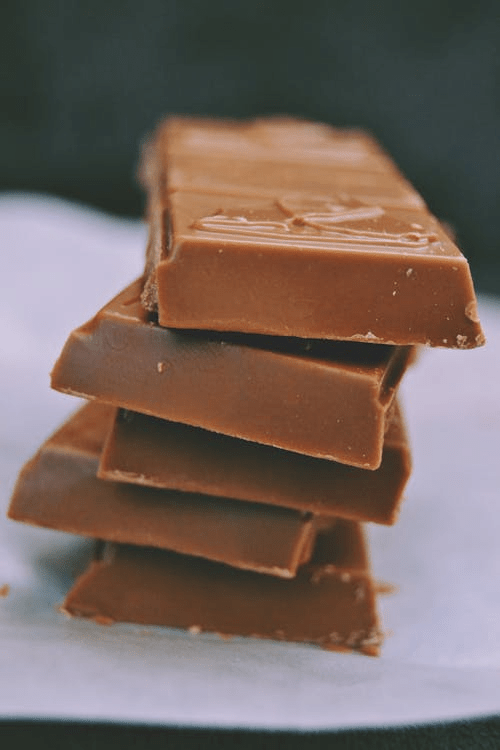
Creating homemade chocolates tailored for children with Type 1 diabetes is easier than you might think! This step-by-step approach allows you to control every ingredient while ensuring your treats are both delicious and safe:
- Gather your ingredients: Unsweetened cocoa powder, preferred sweetener (like erythritol), coconut oil, vanilla extract, optional mix-ins (nuts, seeds).
- Mix dry ingredients: Combine cocoa powder with sweetener and any dry add-ins.
- Add wet ingredients: Melt coconut oil gently over low heat; then mix into dry ingredients along with vanilla extract until smooth.
- Pour into molds: Transfer mixture into silicone molds or mini cupcake liners for uniform portions.
- Chill until firm: Place molds in the refrigerator for at least an hour until solidified.
- Portion carefully: Remove from molds and cut into smaller pieces if needed; measure each piece accurately.
- Store properly: Keep treats refrigerated in airtight containers to maintain freshness.
This method offers an enjoyable way to make customized chocolates at home that suit your child’s dietary needs perfectly.
Creative Variations to Keep Your Child Excited About Their Diabetes-Friendly Chocolates
Variety is key when encouraging children to enjoy their treats responsibly! You can experiment by adding different flavors or textures while maintaining low GIs and carb counts:
- Mix chopped nuts or seeds into the chocolate before setting for added crunch.
- Swirl in natural fruit extracts like raspberry or orange zest for extra flavor without extra carbs.
- Incorporate tiny pieces of unsweetened dried fruits sparingly—like dehydrated strawberries—to add natural sweetness.
- Top chocolates with shredded unsweetened coconut or cacao nibs for visual appeal and taste variation.
These creative twists help keep snack time exciting while still aligning with dietary guidelines designed specifically for children managing Type 1 diabetes.
Satisfying Sweet Tooth Safely: Final Thoughts on Diabetic-Friendly Chocolate Recipes
Creating delicious chocolates tailored for children with Type 1 diabetes involves thoughtful ingredient choices, precise portioning, and awareness of carbohydrate content alongside glycemic impact considerations.
By selecting low-GI ingredients like unsweetened cocoa powder and natural sweeteners such as stevia or monk fruit, you ensure that these treats do not cause significant spikes in blood glucose levels while still satisfying sweet cravings effectively.
Maintaining moderate serving sizes—around 10–20 grams per piece—helps keep blood sugar within desired ranges while allowing your child to enjoy their favorite flavors responsibly. With some simple kitchen skills and creative variations, making wholesome yet indulgent chocolates at home becomes an enjoyable activity that promotes healthier eating habits without sacrificing taste.
Empowering parents and caregivers with this knowledge enables them to prepare safe desserts that bring joy during celebrations or everyday moments alike—proving that managing diabetes doesn’t mean missing out on life’s sweetest pleasures!
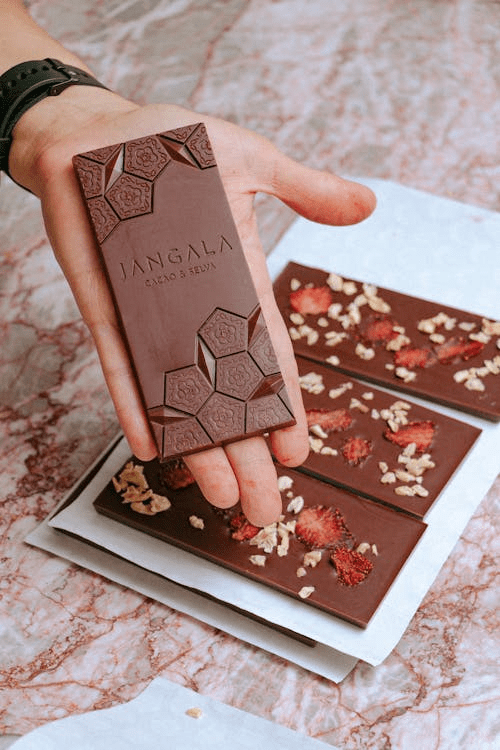
🍫 Diabetes‑Friendly No‑Bake Chocolate Bar (Child‑Safe)
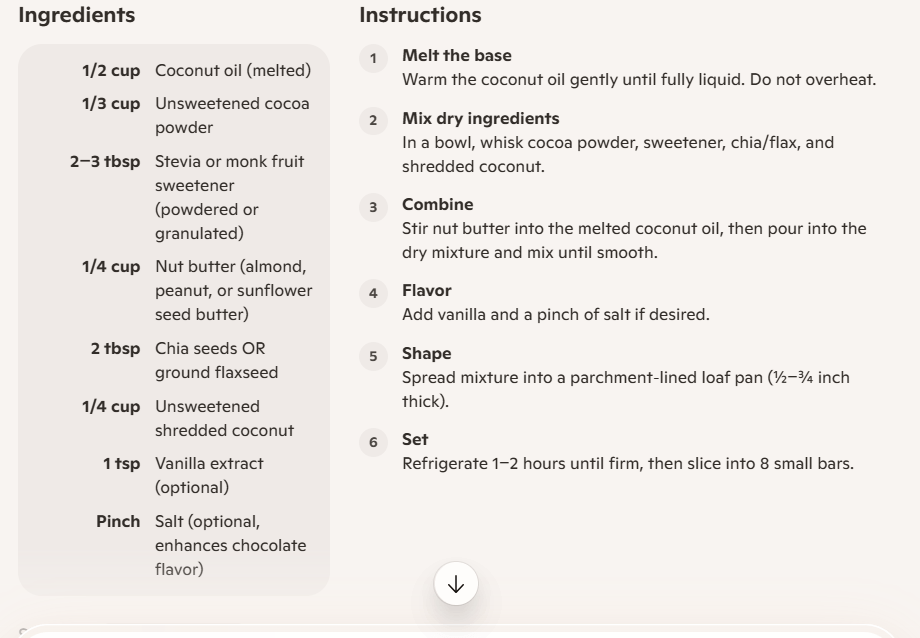
📊 Nutrition & Glycemic Estimates (Per 1 Small Bar)
These values are estimates based on standard ingredient databases. For a child with Type 1 diabetes, caregivers should still count carbs according to the exact brands used.
Carbohydrates
- Total carbs: ~ 3.5–4.5 g
- Fiber: ~ 2 g
- Net carbs: ~ 1.5–2.5 g
Glycemic Index (GI) of Key Ingredients
- Coconut oil: 0 (pure fat)
- Unsweetened cocoa: 20–25 (very low)
- Stevia/monk fruit: 0
- Nut butter: 10–20 (varies by nut)
- Chia/flax: 1–5 (extremely low)
- Unsweetened coconut: 10–15
Estimated GI of finished bar: ~10–15 (very low)
Glycemic Load (GL)
GL = GI × net carbs ÷ 100
→ Approx. GL per bar: 0.2–0.4 (negligible)
🍽 Serving Size Guidance
- 1 small bar (approx. 1 × 2 inches)
- Designed to stay under 5 g total carbs per serving
- High fiber + fat slows absorption, helping reduce glucose spikes
🧠 Why This Recipe Works for Type 1 Diabetes
- No sugar — only non‑nutritive sweeteners
- High fiber (chia/flax) helps stabilize digestion
- Healthy fats (coconut oil + nut butter) slow glucose release
- Cocoa provides antioxidants without sugar
- Portion‑controlled for predictable carb counting
Hope you enjoy it!
