Protect Your Feet: A Guide to Preventing Diabetic Foot Ulcers"
How To Grow Sprouts For Diabetes
How to Grow Sprouts For Diabetes: A Simple, Science‑Backed Guide for Everyday Kitchens
Meta description: Discover how to grow sprouts at home using jars, trays, and sprouting pads (including DIY fabric options). Learn the best 20 seeds to sprout, step‑by‑step methods, safety tips, and research‑backed benefits—perfect for beginners curious about food, health, and simple kitchen gardening.
Table of Contents
Introduction: Tiny sprouts, big possibilities
If that PDF on plant stem cells and diabetes sparked your curiosity, you’re not alone. Many people discover sprouts right after learning that plants can contain powerful bioactive compounds—and then wonder, “Okay, but what can I actually grow in my kitchen that’s simple, safe, and affordable?”
Sprouts are one of the easiest answers. They’re just seeds that have been awakened with water and a bit of time. No garden, no fancy equipment, and no green thumb required. In 3–7 days, you can turn dry seeds into living, crunchy, nutrient‑dense food that you toss into salads, wraps, smoothies, and stir‑fries.
This guide walks you through:
20 easy seeds to sprout at home (including flaxseed and pigeon peas)
10 types of sprouting pads you can use or improvise
Step‑by‑step instructions from soaking to harvest
Safety tips to reduce the risk of contamination
Research‑backed benefits of sprouts and why they’re so popular in health conversations
You’ll finish this article knowing exactly what to buy, what to do, and how to troubleshoot—so you can go from “curious” to “I’ve got a jar of sprouts on my counter” in a week.
Sprouts 101: What they are and why people love them
What are sprouts?
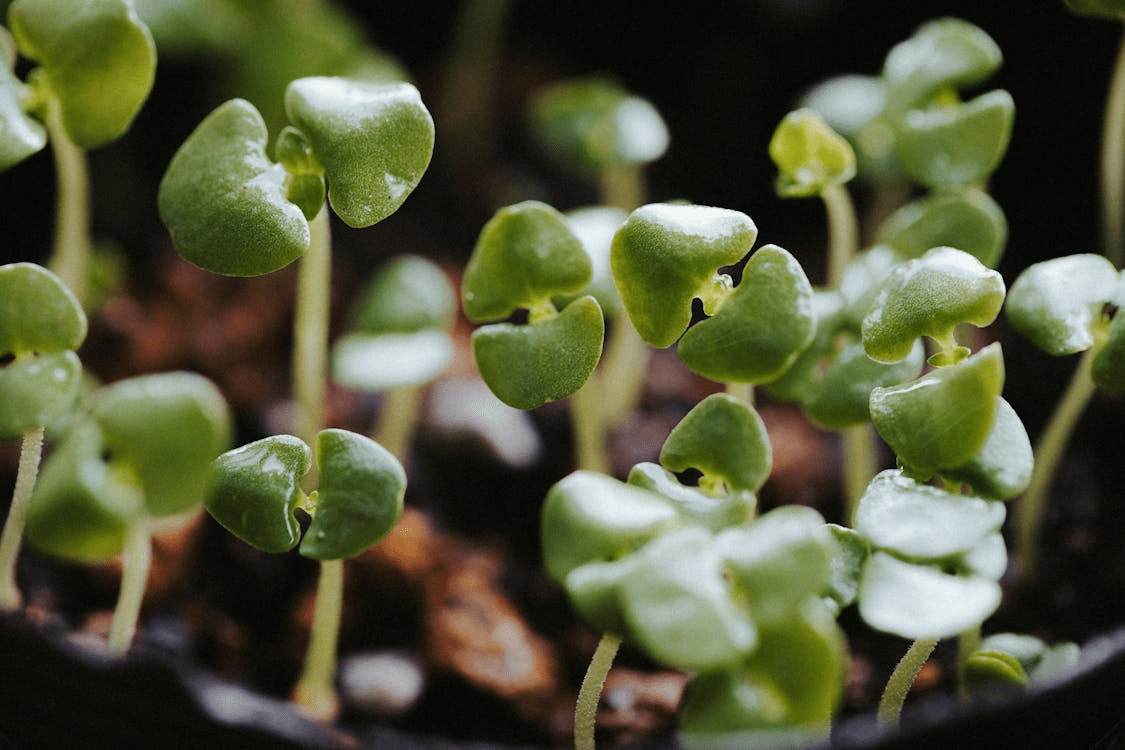
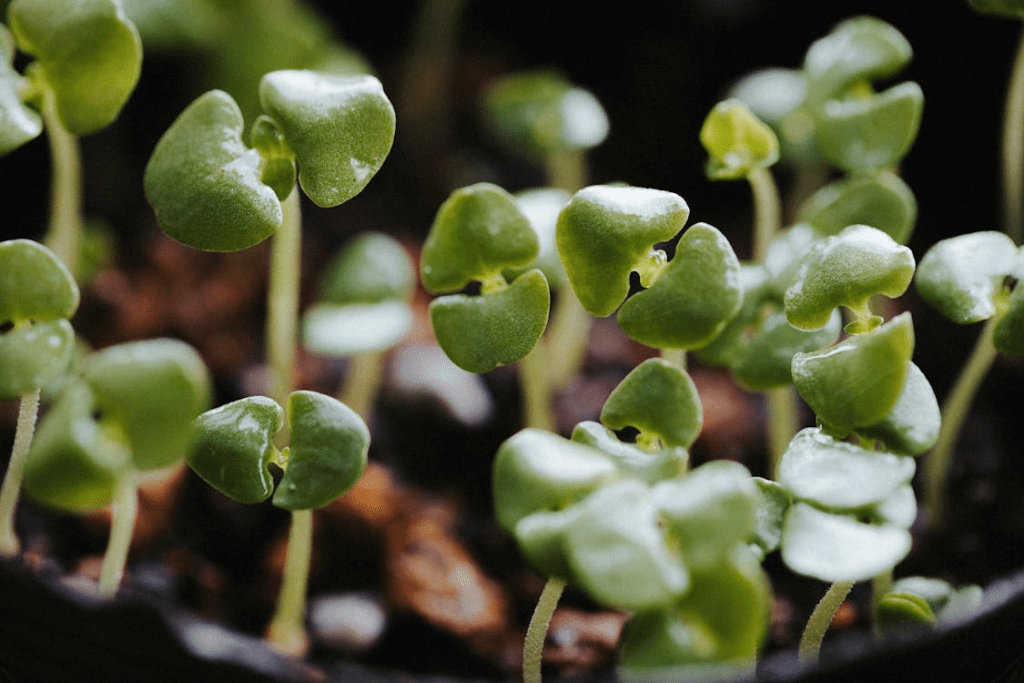
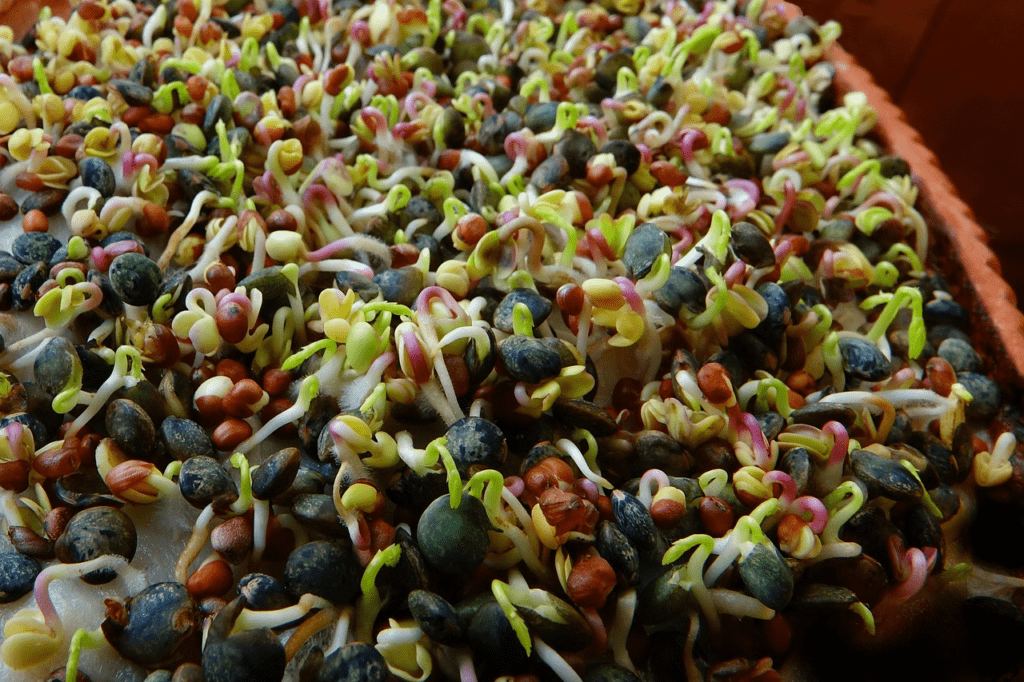
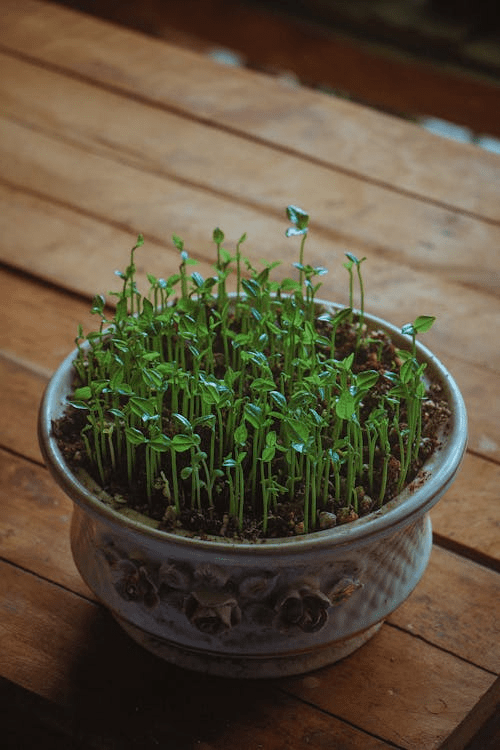
Sprouts are seeds that have just begun to germinate. You eat the whole baby plant: seed, root, and tiny shoot. They’re grown without soil, usually in jars, trays, or on pads, and are ready in a few days.
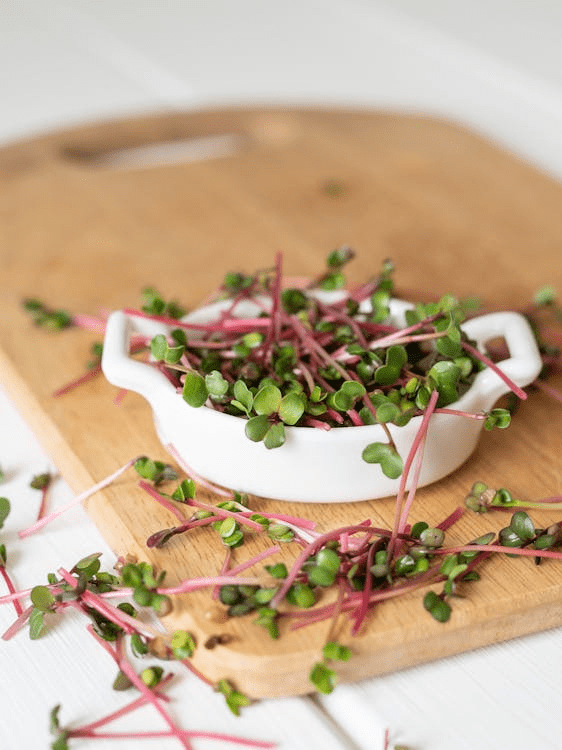
They’re different from microgreens, which are grown in soil or a growing medium and harvested later by cutting the stems above the soil line. Sprouts stay in a warm, moist, enclosed environment—perfect for fast growth, but also something we need to manage carefully for food safety.
Why grow sprouts at home?
Nutrient density: Sprouting can increase the availability of vitamins, minerals, and beneficial plant compounds compared to the dry seed.
Speed: Many sprouts are ready in 3–7 days.
Low cost: A small bag of seeds can produce many batches of sprouts.
No garden needed: A kitchen counter and a jar are enough.
Flavor and texture: Sprouts add crunch, freshness, and sometimes a peppery or nutty kick to meals.
For people living with diabetes or prediabetes, growing sprouts at home can be a simple way to add more low‑glycemic, high‑fiber, antioxidant‑rich foods to everyday meals. Research shows that sprouts—especially broccoli sprouts—contain bioactive compounds like sulforaphane, which has been associated with improved blood sugar control in studies of people with elevated glucose levels .
Sprouts also tend to have a lower carbohydrate content and a slower glucose‑release profile than their unsprouted seed counterparts, which may support steadier blood sugar responses . While sprouts are not a treatment for diabetes, they can provide a fresh, nutrient‑dense addition to a balanced eating pattern—especially when grown safely at home and used alongside guidance from a qualified healthcare professional.
Sprouts are:
🎋low‑glycemic
🎋high‑fiber
🎋antioxidant‑rich
A quick word on safety when growing sprouts
Because sprouts grow in warm, moist conditions, they can be vulnerable to bacteria like Salmonella and E. coli if seeds or equipment are contaminated. Food safety agencies note that raw sprouts have been linked to outbreaks, and they advise higher‑risk groups (pregnant people, older adults, young children, and those with weakened immune systems) to avoid raw sprouts or to cook them thoroughly.
That doesn’t mean you can’t sprout at home—it means you should:
Use clean, food‑grade sprouting seeds
Wash hands and equipment thoroughly
Rinse sprouts regularly
Discard anything that smells off or looks slimy
We’ll build these safety habits into the step‑by‑step instructions.
20 easy seeds to sprout at home
Here’s a practical list of seeds and legumes that are commonly sprouted at home. You don’t need them all—start with 2–4 that sound appealing and expand from there.
Alfalfa – Mild, crunchy, classic sandwich sprout.
Broccoli – Famous for sulforaphane, a compound studied for antioxidant and cellular‑protective effects.
Radish – Peppery, zesty, great for people who like a little heat.
Mung bean – Juicy, crunchy; common in Asian stir‑fries and salads.
Lentils (green, brown, or French) – Earthy, protein‑rich, great in salads and warm dishes.
Chickpeas (garbanzo beans) – Chunky, nutty; delicious lightly cooked in curries or tossed into bowls.
Green peas – Sweet, fresh flavor; can be eaten as sprouts or grown on to pea shoots.
Pigeon peas – Hearty legume; sprouted pigeon peas can be used in stews, dals, or lightly sautéed.
Adzuki beans – Small red beans with a mild, slightly sweet flavor.
Fenugreek – Slightly bitter; often used in mixes and traditional remedies.
Mustard seeds – Spicy, intense; best mixed with milder sprouts.
Clover – Mild and crunchy, similar to alfalfa.
Sunflower (hulled, for sprouting) – Nutty and rich; great in salads.
Buckwheat groats (hulled) – Soft, mild, often used in raw granolas and bowls.
Quinoa – Tiny, quick‑sprouting seed; can be used in salads and warm dishes.
Flaxseed – Forms a gel when soaked; better on pads or mixed with other seeds rather than in jars.
Chia seeds – Also gel‑forming; ideal for sprouting on pads or fabric, not loose in jars.
Wheat berries – Used for wheatgrass or chewy sprouts in breads and salads.
Rye berries – Earthy flavor; often used in sprouted grain breads.
Spelt – Another sprouted grain option for baking and hearty salads.
Tip: Look for “sprouting seeds” on the label—these are usually tested and cleaned specifically for sprouting, which can reduce contamination risk.
Three easy sprouting methods for beginners
We’ll cover three main methods:
Jar sprouting – The classic, low‑equipment method.
Tray sprouting – Great for larger batches and pea/bean sprouts.
Sprouting pads (including DIY fabric pads) – Perfect for gel‑forming seeds like flax and chia, and for neat, flat mats of sprouts.
General safety and prep for all methods
Wash everything: Hands, jars, trays, lids, and pads. Use hot, soapy water and rinse well.
Use cool, clean water: Filtered or boiled‑and‑cooled water is ideal if your tap water is questionable.
Avoid overcrowding: Too many seeds in a small space can lead to poor airflow and mold.
Rinse and drain thoroughly: Standing water is your enemy; moisture plus airflow is your friend.
Method 1: Jar sprouting (perfect for most seeds and legumes)
Jar sprouting is ideal for alfalfa, broccoli, radish, clover, lentils, mung beans, chickpeas, and many others.
What you need
1 wide‑mouth glass jar (e.g., 16–32 oz)
Breathable lid – mesh sprouting lid, fine sieve lid, or a piece of clean cheesecloth secured with a rubber band
Sprouting seeds (start with 1–2 tablespoons for small seeds, ¼–½ cup for larger beans/peas)
Cool, clean water
Step‑by‑step: Jar sprouting
Step 1: Measure and rinse
Measure seeds into the jar.
Rinse them with cool water, swirling gently, then drain. This removes dust and debris.
Step 2: Soak
Add plenty of water (at least 3–4 times the volume of seeds).
Soak:
Small seeds (alfalfa, broccoli, radish, clover): 4–8 hours
Medium seeds (lentils, mung beans, peas, pigeon peas, chickpeas): 8–12 hours
Keep the jar at room temperature, out of direct sun.
Step 3: Drain and position
After soaking, drain thoroughly through the mesh or cloth.
Place the jar at a 45° angle, mouth down, in a bowl or dish rack so excess water can drip out and air can circulate.
Step 4: Rinse and drain 2–3 times daily
Fill the jar with cool water, swirl gently, and drain completely.
Return the jar to its tilted position.
Repeat morning and evening (or 2–3 times per day in warm climates).
Step 5: Watch them grow
Most sprouts are ready in 3–5 days (alfalfa, broccoli, radish, clover, mung beans).
Larger legumes like chickpeas and pigeon peas may take 3–6 days, depending on temperature.
When they look plump with visible roots and short shoots, they’re ready.
Step 6: Optional “greening”
For chlorophyll and a fresh look, place the jar in indirect light for 6–12 hours near a window. The sprouts will turn a brighter green.
Step 7: Harvest and store
Give a final rinse and drain very well.
Transfer sprouts to a clean container lined with a paper towel or cloth to absorb extra moisture.
Store in the refrigerator and aim to eat within 3–5 days.
Safety check: If sprouts smell sour, feel slimy, or show fuzzy mold, discard them. Trust your senses.
Method 2: Tray sprouting (great for peas, beans, and mixes)
Tray sprouting is helpful when you want larger quantities or thicker, sturdier sprouts, such as pea, mung bean, lentil, or mixed blends.
What you need
Shallow tray with drainage holes (or a solid tray plus a way to pour off water)
Optional second tray to stack on top for darkness and gentle pressure (helps some sprouts grow thicker)
Sprouting seeds (½–1 cup, depending on tray size)
Clean water
Step‑by‑step: Tray sprouting
Step 1: Soak seeds
Place seeds in a bowl or jar.
Rinse and soak as in the jar method (8–12 hours for peas, mung beans, pigeon peas, chickpeas, etc.).
Step 2: Spread in the tray
Drain soaked seeds well.
Spread them in a single, dense but not stacked layer across the tray.
Step 3: Rinse and drain
Rinse seeds in the tray with cool water.
Tilt the tray to drain thoroughly—no standing water.
Step 4: Create a sprouting environment
Keep the tray in a warm, ventilated spot, out of direct sun.
For some beans and peas, you can place a second tray on top (upside down) to keep them slightly dark and encourage thicker sprouts.
Step 5: Rinse 2–3 times daily
Rinse gently with cool water.
Drain completely each time.
Step 6: Harvest
Most tray sprouts are ready in 3–6 days, depending on the seed and your preference for length.
Harvest by gently lifting sprouts out with clean hands or tongs.
Tray sprouts are excellent for:
Stir‑fries (mung beans, pea sprouts)
Grain bowls and salads (lentils, chickpeas, pigeon peas)
Warm soups (add at the end to keep some crunch)
⭐ Top 5 Materials for Sprouting Trays (Evidence‑Based)
Below are the five materials most recommended across sprouting and microgreen tray reviews, chosen for safety, durability, drainage performance, and ease of cleaning.
Often designed with mesh bottoms for airflow and drainage
Beginner‑friendly and easy to clean
Evidence: Multiple sprouting tray reviews highlight BPA‑free PP trays as safe, durable, and ideal for home sprouting.
2. Stainless Steel
Why it’s excellent:
Extremely durable and long‑lasting
Rust‑resistant and dishwasher‑safe
Provides professional‑grade airflow when designed with mesh bottoms
Great for users who want a non‑plastic option
Evidence: Stainless steel trays are consistently recommended for their durability and hygiene benefits.
3. Hemp Fiber (for Pad‑Style Trays)
Why it works well:
Natural, compostable, and highly absorbent
Ideal for sprouting pads or microgreen mats
Supports even moisture distribution
Evidence: Hemp mats are widely used in microgreen kits for their moisture retention and eco‑friendly profile.
4. Coconut Coir Fiber
Why it’s popular:
Sustainable and biodegradable
Excellent water retention without becoming waterlogged
Great for seeds that prefer pad‑style sprouting
Evidence: Coir mats appear frequently in sprouting and microgreen tray recommendations for their moisture‑holding capacity.
5. Jute Fiber
Why it’s useful:
Natural, breathable, and compostable
Provides good airflow and moisture balance
Works well for small‑seed sprouting and microgreens Evidence: Jute mats are commonly included in microgreen tray kits for their balance of airflow and moisture.
Table 1: Sprouting Trays Comparison
Material
Best For
Key Strengths
Considerations
BPA‑Free Plastic (PP)
Beginners, everyday sprouting
Lightweight, affordable, great drainage
Not as long‑lasting as steel
Stainless Steel
Heavy use, hygiene‑focused growers
Ultra‑durable, rust‑resistant, dishwasher‑safe
Higher cost
Hemp Fiber
Pad sprouting, microgreens
Compostable, absorbent
Not reusable
Coconut Coir
Pad sprouting, moisture‑loving seeds
Sustainable, great water retention
Must avoid oversaturation
Jute Fiber
Small seeds, eco‑friendly setups
Breathable, natural
Can degrade faster with heavy use
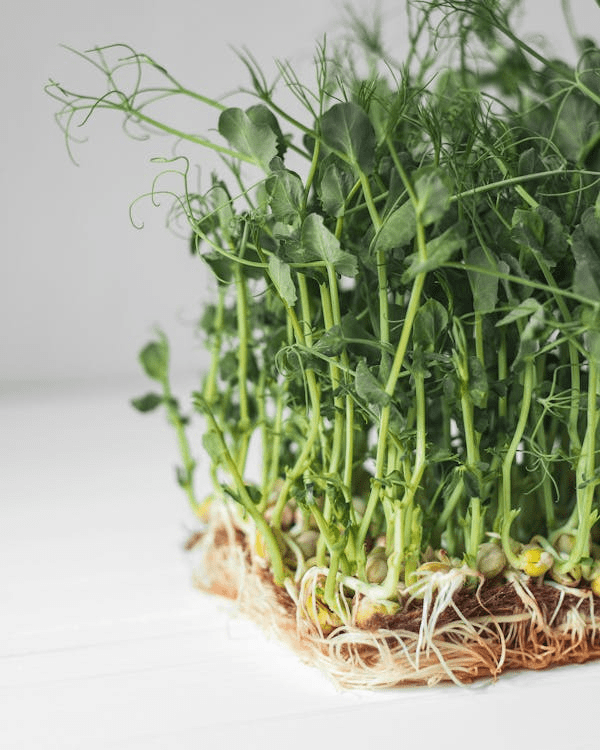
Method 3: Sprouting pads and DIY fabric pads
Sprouting pads are flat, absorbent surfaces that hold moisture while seeds germinate. They’re especially useful for gel‑forming seeds like flaxseed and chia, which don’t do well loose in jars because they turn into a jelly mass.
10 types of sprouting pads (including DIY options)
Here are ten pad options you can use or improvise:
Coconut coir mats – Made from coconut fiber; good water retention and biodegradable.
Hemp fiber mats – Popular in microgreen kits; hold moisture well and are compostable.
Jute mats – Natural fiber with good airflow and water absorption.
Cellulose fiber pads – Compressed plant fibers designed specifically for sprouting and microgreens.
Organic cotton fabric – DIY option; use a tightly woven, clean cotton cloth.
Linen fabric – Another DIY fabric with good breathability and quick drying.
Unbleached cotton dish towel – Folded to fit a tray; simple and accessible.
Bamboo fiber mats – Eco‑friendly, absorbent, and reusable.
Paper towel layers – Short‑term, disposable option; use several layers in a tray.
Felt‑like wool or plant‑based felt – Some felts (especially plant‑based) can work as reusable pads if kept clean and well‑rinsed.
Important: Whatever pad you choose, make sure it’s food‑safe, clean, and free of dyes or chemical treatments.
Best seeds for pad sprouting
Flaxseed
Chia
Small mixes that include gel‑forming seeds
Some small seeds (alfalfa, broccoli, radish) if you want neat, flat mats of sprouts
Step‑by‑step: Sprouting on pads or fabric
Step 1: Prepare the tray and pad
Place your pad (coir, hemp, cotton, etc.) in a shallow tray.
Moisten it thoroughly with clean water, then pour off any excess. The pad should be damp, not flooded.
Step 2: Spread seeds
Sprinkle seeds evenly across the surface.
Avoid clumps—aim for a single, even layer.
For flax or chia, use a thin layer; they swell and spread as they absorb water.
Step 3: Cover lightly (optional)
You can place a lid or another tray loosely on top for the first 1–2 days to keep humidity high and light low.
Ensure there is still some airflow—don’t seal it airtight.
Step 4: Mist and maintain moisture
Instead of rinsing under running water, mist the seeds and pad with clean water 1–3 times per day.
Keep the pad consistently damp but not soggy.
Step 5: Light and growth
After seeds have visibly sprouted (usually 2–3 days), remove any cover and place the tray in indirect light.
Continue misting daily.
Step 6: Harvest
Most pad‑grown sprouts are ready in 4–7 days, depending on the seed and desired length.
Harvest by cutting the sprouts just above the pad with clean scissors, or gently pulling them off if the roots are shallow.
Pad sprouting is especially neat and visually satisfying—you get a uniform “carpet” of sprouts that’s easy to cut and use.
Special notes for flaxseed and pigeon peas
Flaxseed
Behavior: Flax seeds form a gel coating when soaked, which makes them clump in jars.
Best method: Sprouting pads or fabric.
Use: Sprinkle flax sprouts on salads, grain bowls, or blend into smoothies. They’re delicate, so handle gently.
Pigeon peas
Behavior: Larger legume; similar to other peas and beans.
Best method: Jar or tray sprouting with a good soak (8–12 hours).
Use: Lightly cook sprouted pigeon peas in stews, curries, or sautéed dishes. Sprouting can reduce cooking time and may improve digestibility.
Extra tidbits on sprouts
Sprouts are often discussed in the same breath as plant stem cells, phytonutrients, and metabolic health because:
Sprouting can increase certain bioactive compounds. For example, broccoli sprouts are known for high levels of sulforaphane, a compound studied for antioxidant and cellular defense effects.
Legume sprouts (like lentils, chickpeas, mung beans) may have improved digestibility and altered starch and protein profiles compared to unsprouted seeds, which is of interest in blood sugar and metabolic research.
However, it’s important to remember:
Sprouts are not a cure for diabetes or any condition.
They can be part of a nutrient‑dense eating pattern, but medical decisions should always be guided by a qualified healthcare professional.
Think of sprouts as one supportive tool in a broader lifestyle—fresh, living food that can complement other healthy habits.
Practical sprouting tips, troubleshooting, and common questions
How much should I sprout at once?
For a household of 1–2 people, starting with:
1–2 tablespoons of small seeds (alfalfa, broccoli, radish, clover)
¼–½ cup of larger seeds (lentils, mung beans, peas, pigeon peas, chickpeas)
…per jar or tray is usually plenty. You can always start another batch a day or two later for a continuous supply.
How do I avoid mold?
Don’t overcrowd seeds.
Rinse (or mist) regularly and drain thoroughly.
Keep jars and trays in a well‑ventilated area, not in a closed cupboard.
If your space is very warm and humid, rinse more often and use smaller batches.
Can I eat sprouts raw?
Many people do, but because of food safety concerns, some health authorities recommend that higher‑risk individuals avoid raw sprouts or cook them thoroughly. Lightly cooking (e.g., quick stir‑fry, adding to hot dishes at the end) can reduce risk while still giving you texture and flavor.
How long do sprouts last in the fridge?
If well‑drained and stored in a breathable container, most sprouts keep 3–5 days. Check daily for smell, texture, and appearance.
Putting it all together: Your first 7‑day sprouting plan
Here’s a simple starter plan you can follow right away:
Day 1 (Evening):
Soak 2 tablespoons of alfalfa or broccoli seeds in a jar.
Soak ¼ cup of mung beans or lentils in another jar or bowl.
Day 2 (Morning):
Drain both jars, set them at an angle.
Rinse and drain again in the evening.
Day 3–4:
Continue rinsing and draining 2–3 times daily.
Start a sprouting pad tray with flax or chia seeds on Day 3 if you want to experiment.
Day 4–5:
Your alfalfa/broccoli sprouts should be ready or nearly ready.
Mung beans/lentils may be ready around Day 4–5, depending on your preference.
Day 5–7:
Harvest, store, and eat your first batches.
Start new jars every 1–2 days to keep a steady flow of fresh sprouts.
In one week, you’ll have gone from “I’ve never sprouted anything” to “I have a mini sprout factory on my counter.”
Benefits of sprouts for people with diabetes:
lower carbohydrate content
slower glucose‑release profile than their unsprouted seed counterparts
may support steadier blood sugar
FAQ
1. Do I need special “sprouting” seeds, or can I use regular grocery store beans?
You can sprout some grocery store beans and seeds, but sprouting‑specific seeds are usually cleaner, tested for germination, and sometimes screened for pathogens. For safety and reliability, sprouting seeds are the better choice.
2. Can I mix different seeds in the same jar?
Yes, but choose seeds with similar soaking and sprouting times (e.g., alfalfa + clover + broccoli, or mung beans + lentils + peas). Avoid mixing gel‑forming seeds (flax, chia) with others in jars—they’ll gum everything up.
3. What if my sprouts smell weird?
If they smell sour, rotten, or “off,” or if you see fuzzy mold or slimy textures, throw them out. It’s not worth the risk.
4. Can I freeze sprouts?
Freezing damages the texture and some of the fresh qualities that make sprouts appealing. It’s better to grow smaller batches more often than to freeze them.
5. Are sprouts okay for people with digestive issues?
Some people find sprouted legumes and grains easier to digest than unsprouted versions, but others may still be sensitive. If you have a medical condition or specific dietary needs, talk with a healthcare professional before making big changes.
References
Berg, M. (2025, April 21). Best seeds for sprouting at home. Microgreens and Sprouts. https://microgreensandsprouts.com/best-seeds-for-sprouting-at-home(microgreensandsprouts.com in Bing)
Gaughan, A. (2024, October 14). Growing sprouts at home safely: Alfalfa, mung bean, and more. Microgreens and Indoor Growing. https://www.microgreensandindoorgrowing.com/growing-sprouts-at-home-safely(microgreensandindoorgrowing.com in Bing)
Garden Therapy. (2023, January 21). The best sprouts to eat and how to grow them from seed. Garden Therapy. https://gardentherapy.ca/best-sprouts-to-eat-and-grow(gardentherapy.ca in Bing)
Wood, K. (2025, July 13). Best seeds for sprouting at home (with tips for each one). Moon and Spoon and Yum. https://moonandspoonandyum.com/best-seeds-for-sprouting-at-home(moonandspoonandyum.com in Bing)
Zhang, L. (2025, December 8). Best organic seeds for sprouting at home. Complete Garden. https://completegarden.com/best-organic-seeds-for-sprouting-at-home(completegarden.com in Bing)
Do you live with diabetes? You're not alone.
For over 30 years, Mercedes Moss, author at BizInvest, has walked alongside people on their diabetes journeys. As a retired healthcare professional, educator, and author, I've seen firsthand the challenges and triumphs that come with managing this condition.
My passion for helping those with diabetes stems from this deep understanding. My groundbreaking research has been referenced by leading health websites and continues to be cited by academics.
But my mission goes beyond research. I want to connect with you, share practical tips, and empower you to take control of your well-being.
Visit uncommondiseasecures.blogspot.com for more wellness insights, and let's start building a healthier future together.