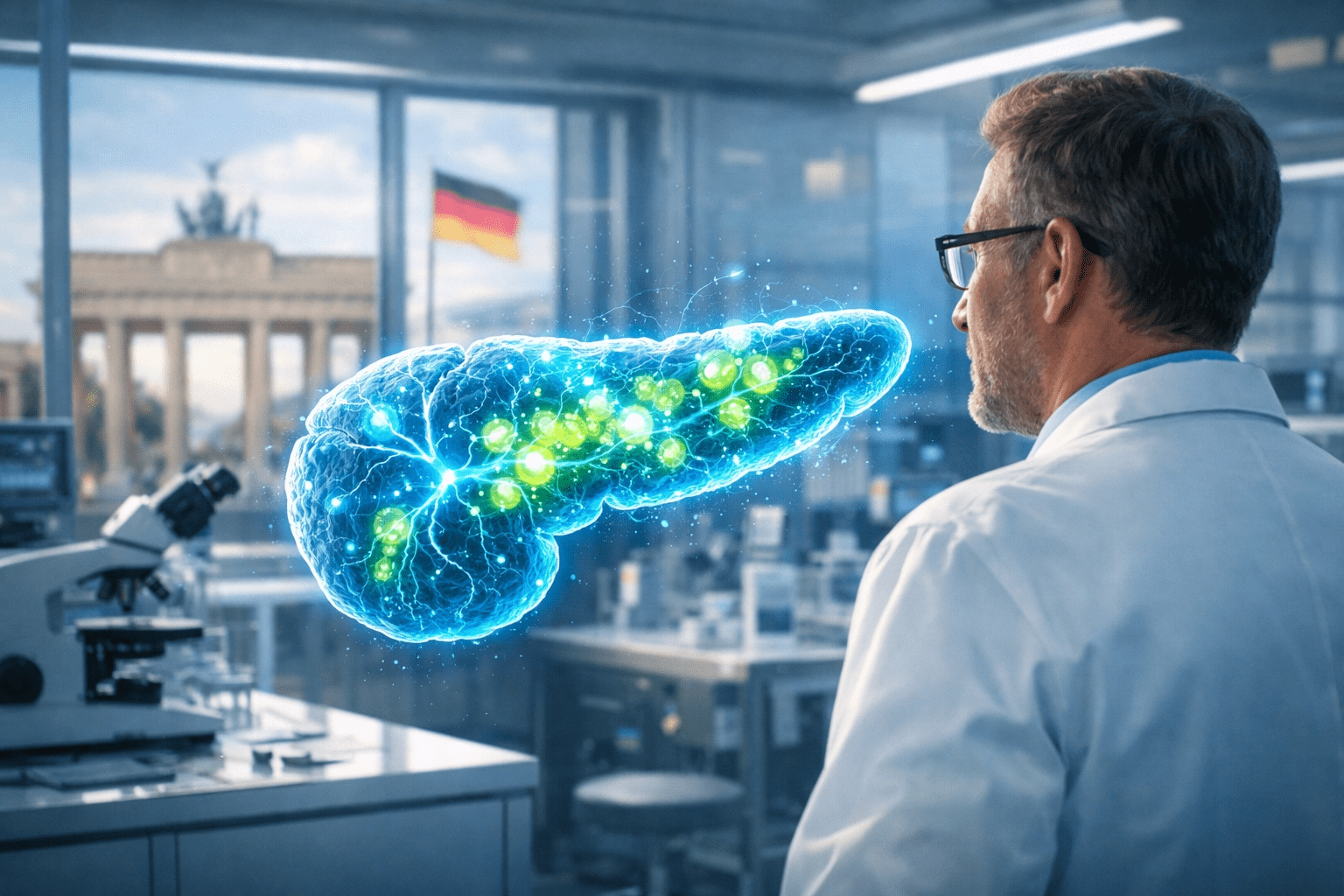
The Dawn of a New Era: Germany’s Quest for a Type 1 Diabetes Cure
Meta Description: Explore Germany’s groundbreaking research for a Type 1 diabetes cure, from advanced islet cell transplantation and innovative stem cell therapies to promising immunotherapy, offering new hope for a remission.
Table of Contents
Understanding Type 1 Diabetes: The Autoimmune Challenge
Type 1 diabetes is an autoimmune disease where the body’s immune system mistakenly attacks and destroys the insulin-producing beta cells in the pancreas. Without insulin, the body cannot effectively convert glucose from food into energy, leading to high blood sugar levels. This necessitates lifelong insulin therapy, typically through injections or an insulin pump.
The journey of living with T1D is often characterized by the constant threat of complications, from hypoglycemia (low blood sugar) to long-term damage to organs, nerves, and blood vessels. The ultimate goal of a cure is to restore the body’s natural ability to produce insulin, thereby eliminating the need for external insulin administration and mitigating these risks.
Germany’s Pioneering Role in T1D Research
Germany’s commitment to medical research, particularly in diabetes, is exemplified by institutions like the German Center for Diabetes Research (DZD), a national network dedicated to translating scientific discoveries into improved patient care.
Key partners within this network, such as Helmholtz Munich and the Paul Langerhans Institute Dresden (PLID), are at the forefront of groundbreaking investigations. Their collaborative efforts are driving advancements in various therapeutic avenues, from cell transplantation to sophisticated immunotherapies.
Cutting-Edge Approaches: The Path to a Cure
Islet Cell Transplantation: A Step Towards Natural Insulin Production
One of the most established approaches to restoring insulin production is islet cell transplantation. This procedure involves isolating healthy insulin-producing islet cells from a deceased donor pancreas and transplanting them into the recipient’s liver. The Dresden University Hospital, home to the PLID, stands as the sole authorized institution in Germany capable of performing these complex transplants [1].
While islet cell transplantation can significantly improve glycemic control and even lead to insulin independence for some patients, it faces two primary challenges: the severe shortage of donor organs and the necessity for lifelong immunosuppressive medication to prevent the recipient’s immune system from rejecting the transplanted cells. This medication carries its own set of risks and side effects.
German researchers are actively working to overcome these hurdles. A promising innovation is the development of an artificial pancreas or “bioreactor.” This technology encapsulates the transplanted islet cells within a protective Teflon membrane. This membrane acts as a physical barrier, shielding the cells from the body’s immune system while allowing the free exchange of insulin, oxygen, and nutrients [1]. This approach could potentially eliminate the need for immunosuppressive drugs, making cell therapy accessible to a much broader population.
Stem Cell Therapy: The Promise of an Unlimited Supply
The most significant breakthrough on the horizon for a T1D cure lies in stem cell therapy. Stem cells have the remarkable ability to develop into various cell types, including insulin-producing beta cells. This technology offers the potential for an unlimited supply of replacement cells, overcoming the limitations of donor organ availability.
Germany is playing a pivotal role in this arena. Helmholtz Munich is coordinating the ambitious EU-funded ISLET project, which aims to bring stem cell-derived islet products to clinical trials by 2025 or 2026 [2]. The goal is to create a reliable, scalable source of beta cells that can be safely transplanted into patients.
Furthermore, international clinical trials for stem cell-derived therapies, such as Vertex Pharmaceuticals’ VX-880, have included sites and presentations in Germany [3]. These early-phase trials have shown remarkable results, with some participants achieving insulin independence after receiving infusions of fully differentiated, insulin-producing islet cells derived from stem cells. This represents a monumental shift from managing the disease to potentially reversing it.
Immunotherapy and Prevention: Stopping T1D Before It Starts
While cell replacement therapies aim to cure established T1D, another crucial area of research focuses on prevention and early intervention. If the autoimmune attack can be halted before all beta cells are destroyed, the onset of clinical diabetes could be delayed or even prevented entirely.
Germany is leading large-scale screening and prevention initiatives. The Fr1da study in Bavaria was the first public health screening program to test children for islet autoantibodies—markers in the blood that indicate an increased risk of developing T1D long before symptoms appear [4]. Early detection allows families to participate in prevention trials and significantly reduces the risk of life-threatening diabetic ketoacidosis (DKA) at diagnosis.
Researchers are also exploring innovative ways to “retrain” the immune system. The POInT study is investigating whether administering oral insulin powder to infants at high risk can induce immune tolerance, essentially teaching the body not to attack its own insulin [4]. Another trial, the SINT1A study, is examining the potential of probiotics (specifically B. infantis) to modulate the gut microbiome and prevent the development of T1D in susceptible children [4].
The Transformation: From Management to Freedom
The impact of these advancements cannot be overstated. Imagine a young adult who has spent their entire life calculating carbohydrates, enduring multiple daily injections, and living with the constant anxiety of severe hypoglycemia.
The prospect of a “bioreactor” implant or a stem cell infusion offers a profound transformation. It represents a shift from a life defined by disease management to one of freedom and renewed health. The psychological burden lifted would be as significant as the physical healing.
Practical Advice for Patients and Families
While a widespread, accessible cure is still in the clinical trial phases, there are proactive steps patients and families can take today:
- Stay Informed: Follow reputable sources like the DZD, Breakthrough T1D (formerly JDRF), and major research institutions for the latest updates on clinical trials and breakthroughs.
- Consider Screening: If you have a family history of T1D, inquire about autoantibody screening programs like Fr1da (if available in your region) to assess risk early.
- Explore Clinical Trials: Discuss with your endocrinologist whether participating in a clinical trial for new therapies or prevention strategies is a viable option for you or your child.
- Maintain Optimal Control: Until a cure is available, utilizing advanced technologies like continuous glucose monitors (CGMs) and closed-loop insulin pump systems remains the best way to manage T1D and prevent long-term complications.
Conclusion: A Horizon of Hope
The journey toward a cure for Type 1 diabetes is complex and challenging, but the progress being made in Germany and around the world is undeniably accelerating. From the refinement of islet cell transplantation to the revolutionary potential of stem cell therapies and immune modulation, the scientific community is attacking the disease from every angle.
While we must remain patient as these therapies undergo rigorous testing for safety and efficacy, the dream of a world without Type 1 diabetes is closer to reality than ever before. The dedication of researchers, the courage of clinical trial participants, and the resilience of the T1D community are paving the way for a brighter, healthier future.
References
1] Transplantation of Islet Cells | DZD
[2] EU-Project ISLET: Helmholtz Munich takes over coordination
[3] Vertex Presents Positive, Updated VX-880 Results
[4] Type 1 Diabetes: Early Diagnosis, Targeted Treatment or Even Prevention | DZD
.

1 comment
Comments are closed.